
Sustainability
"Great fabric
shouldn't cost the earth."
shouldn't cost the earth."
Since 2003, every material decision at JOOYA has been shaped by one conviction: performance and responsibility belong together. We partner with the world's leading sustainable fiber innovators to make that real.
Not as a claim. As a supply chain commitment.

Biodegradable Technology
Made to perform.
Not to pollute forever.
Not to pollute forever.
JOOYA is a CiCLO Preferred Partner. One of a select group of mills globally certified to offer biodegradable synthetic fabrics. CiCLO is a nature-inspired additive embedded during fiber production that enables our polyester and nylon to biodegrade like natural fibers when they enter the environment. It addresses the growing microplastic crisis at the source, without any compromise to durability, dyeability, or washability.
Learn about CiCLO® ↗

Biodegrades in four environments
Our CiCLO fabrics fully biodegrade in soil, seawater, wastewater sludge, and landfill. These are the key environments where synthetic textile pollution occurs at scale.
Safe during use
CiCLO fabrics only begin to biodegrade after prolonged exposure to moisture and microorganisms. They will never degrade during wear, washing, or storage.
Bio-Based Innovation
From the earth,
not the oil well.
not the oil well.
JOOYA fabrics made with DuPont™ Sorona® replace petroleum-based inputs with annually renewable plant-derived ingredients. Sorona contains 37% bio-based content derived from corn, uses 30 to 40% less energy to produce than conventional nylon, and delivers exceptional stretch and recovery without any elastane. This makes our fabrics cleaner to construct and easier to recycle at end of life.
Learn about Sorona® ↗

37% plant-based content
Derived from annually renewable corn, replacing fossil-fuel inputs with a biological alternative that regenerates every year.
56% fewer greenhouse gases
Compared to conventional nylon 6,6 production. Our Sorona fabrics carry a significantly lower carbon footprint without any sacrifice in performance or hand feel.
Circular Economy
Waste in.
Performance out.
Performance out.
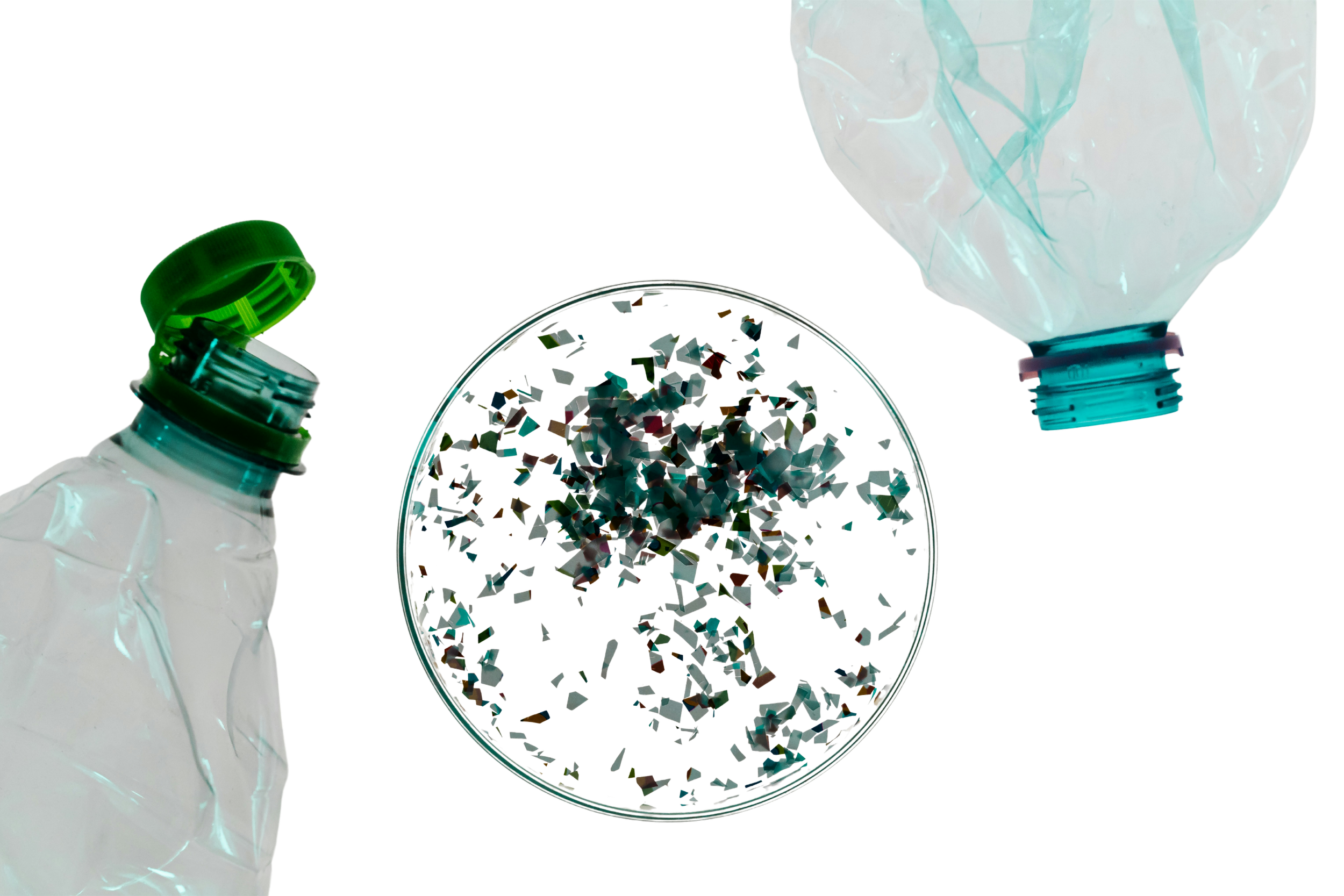
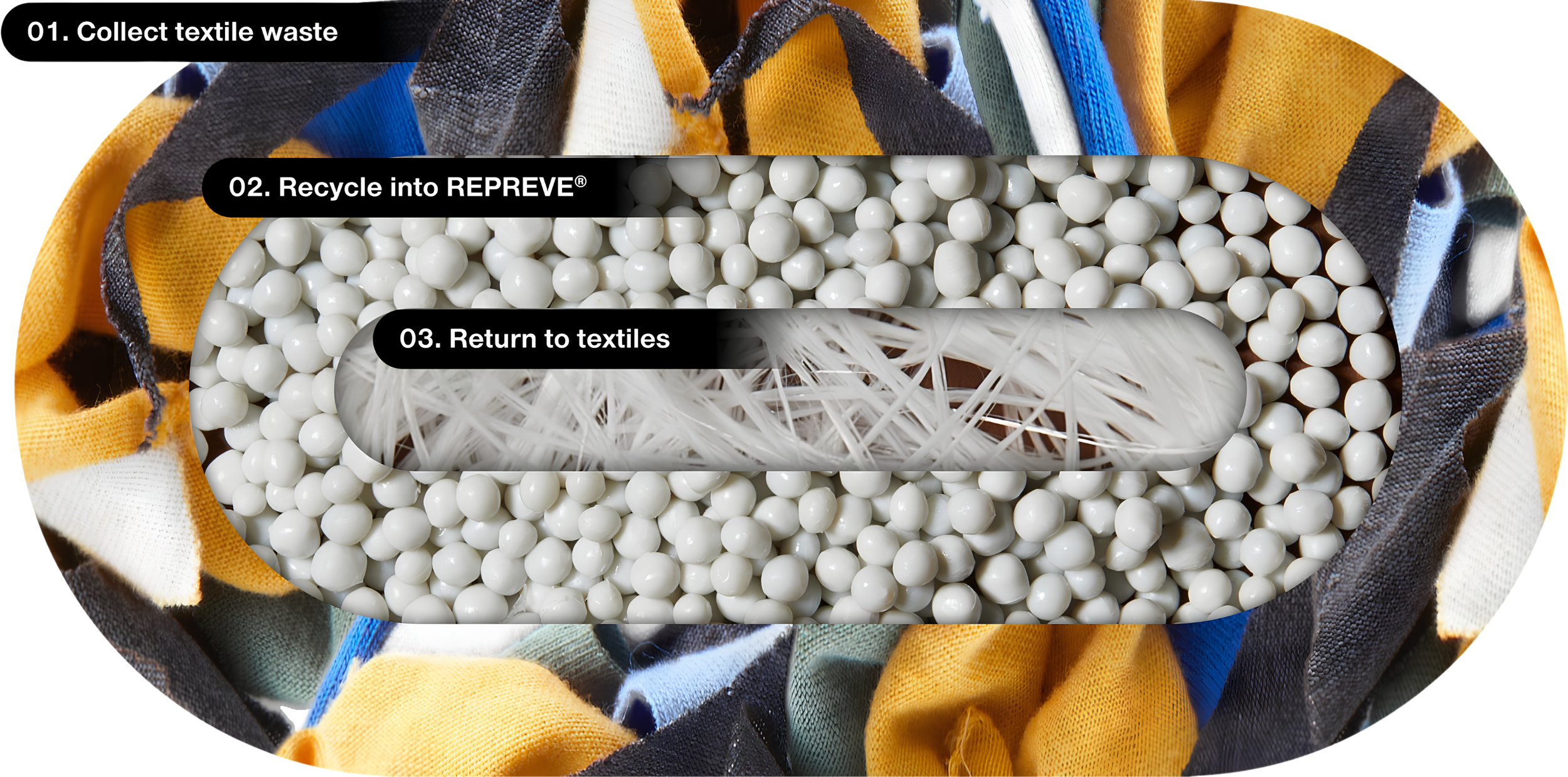
JOOYA participates in UNIFI's REPREVE® Textile Takeback program. A textile-to-textile recycling initiative that collects post-industrial fabric offcuts and post-consumer garments, transforming them back into high-quality REPREVE recycled fiber. Unlike conventional recycled polyester made from plastic bottles, Textile Takeback closes the loop entirely within the apparel industry itself.
Learn about REPREVE® Takeback ↗
Textile-to-textile recycling
Closes the loop entirely within the apparel industry. Production offcuts and worn garments become new high-quality fiber, not landfill.
100% recycled base polymer
Every REPREVE Takeback fiber in our fabrics is made entirely from recycled materials. At least 50% of the content comes directly from diverted textile waste.
Certifications
Every claim, verified.
Our sustainability commitments are backed by independent third-party certification. We don't ask you to take our word for it.
Global Recycled Standard (GRS 4.0)
An international voluntary standard that sets requirements for third-party certification of recycled content and responsible production. GRS certification verifies the recycled content in our fabrics and traces materials through every stage of processing, from raw material through to the final product.
OEKO-TEX® Standard 100
One of the world's best-known labels for textiles tested for harmful substances. Every component of our certified fabrics has been tested for over 100 harmful substances and confirmed to be harmless for human health. Class 1 certification covers products for direct contact with infant skin.
Recycled Claim Standard (RCS 2.0)
A transaction-based chain-of-custody standard that tracks recycled raw materials from source to final product. RCS certification provides assurance that a product contains the specified amount of recycled material, verifiable at any point in the supply chain.

Higg Index
Developed by the Sustainable Apparel Coalition, the Higg Index is a suite of tools that standardizes how companies measure and evaluate sustainability performance. We use the Higg Facility Environmental Module to assess and continuously improve the environmental impact of our manufacturing operations in Jiangsu.